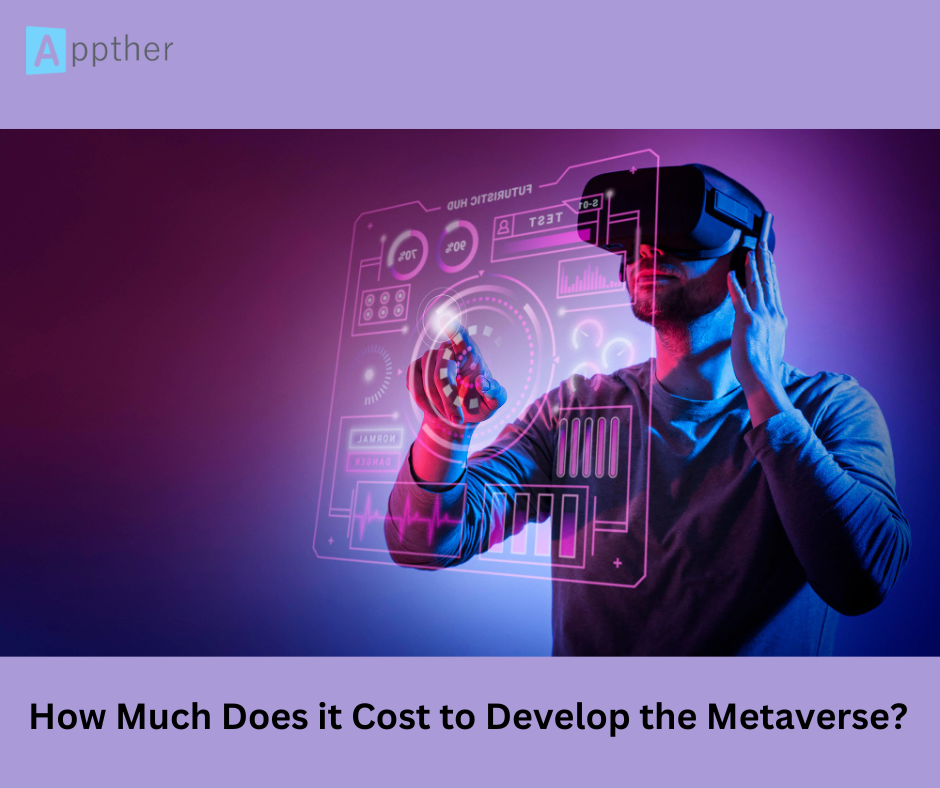
The Metaverse is more than just a buzzword; it is a 3D digital ecosystem that merges our physical reality with virtual spaces. By using personalized avatars, users can explore, shop, play, and work in a persistent environment that takes our existing digital experience to the next level.
With the global market size projected to surge from $38.85 billion in 2021 to over $1.5 trillion by 2030, the Metaverse represents the next iteration of the internet.
Key Features of the Metaverse
What sets the Metaverse apart from standard 2D web experiences? Here are its defining characteristics:
- Digital Avatars: Users create unconventional, customizable replicas of themselves (or fictional characters). This strengthens immersion and opens new doors for “gamification” and personal expression.
- Decentralization: Powered by Blockchain and Edge Computing, the Metaverse offers users true ownership of their digital assets and data, moving away from centralized corporate control.
- Robust Infrastructure: High-speed connectivity (5G/Wi-Fi 6), cloud computing, and powerful GPUs ensure ultra-low latency for seamless, real-time interactions.
- Human Interface Technology: Beyond PCs and smartphones, the Metaverse leverages VR headsets, AR glasses, and haptic suits to “teleport” users into another reality.
- The Creator Economy: A thriving marketplace where individuals can build, own, and trade everything from digital art (NFTs) to entire virtual worlds.
Essential Technologies Powering the 3D World
To create an immersive, persistent experience, developers leverage a sophisticated tech stack:
The Role of AI: AI is the “brain” of the Metaverse. It handles complex calculations for AR face tracking, powers non-player characters (NPCs), and automates 3D world-building more efficiently than human developers.
Comprehensive Metaverse Development Services
Building a virtual world requires a multidisciplinary approach. A specialized development company provides:
- 3D Space Creation: Developing scalable X-Y-Z coordinate environments for socialization or business.
- Gaming Metaverses: Integrating NFT minting, live multiplayer mechanics, and play-to-earn models.
- Metaverse Marketplaces: Building platforms like Decentraland where users can trade cryptographic assets (NFTs).
- Social Media Integration: Moving beyond 2D profile pages into interactive 3D social hubs.
-
Corporate Solutions: Real estate development, virtual office spaces, and modern marketing concepts for brand positioning.
What Does it Take to Build a Metaverse?
Developing a Metaverse is a significant investment. A fundamental team typically requires:
- 3-4 Full-stack Programmers (Node.js & React.js)
- 1 Engine Specialist (Unity/Unreal)
- 3 3D Modelers (Blender/Max3DS)
- UI/UX Designers focused on spatial navigation
-
Blockchain Developers for wallet and DApp integration
Cost Insight: Beyond initial development, businesses should budget approximately 20% of the total cost annually for maintenance and upgrades.
Partner with Appther for Your Metaverse Journey
The future of real-life functionality lies in the Metaverse. At Appther, we excel in offering next-gen development services tailored to your business needs, including NFT marketplaces, social media development, and virtual real estate.
Metaverse Development FAQs
Q1. Is the Metaverse only for gaming in 2026?
No. While gaming remains a major sector, the Metaverse has matured into a vital tool for Enterprise and Industry. In 2026, the fastest-growing use cases include virtual office collaboration, high-stakes medical and industrial training simulations, and “Digital Twins” used in manufacturing to monitor real-world factories in a 3D interface.
Q2. How long does it take to develop a Metaverse platform?
The timeline depends heavily on the complexity:
- MVP (Minimum Viable Product): 3 to 5 months for a basic social or retail hub.
- Mid-Range Project: 6 to 9 months for platforms with custom avatars and economy layers.
-
Large-Scale Enterprise World: 12+ months for high-fidelity, interoperable ecosystems.
Q3. Can users access the Metaverse without a VR headset?
Yes. In 2026, accessibility is key. Most Metaverse platforms are developed for cross-platform compatibility, meaning they can be accessed via smartphones (AR), tablets, and high-performance PCs. While VR headsets offer the most “immersive” experience, they are no longer a strict requirement for participation.
Q4. Is Blockchain mandatory for a Metaverse project?
Technically, no; economically, yes. If you want a centralized world (like a private training simulation), you don’t need blockchain. However, if you want a public marketplace where users can truly own their assets (NFTs) and trade them securely, blockchain is the essential backbone that provides transparency and trust.
Q5. What is the biggest challenge in Metaverse development today?
Interoperability. Currently, moving an avatar or a digital asset from one Metaverse (like Decentraland) to another (like Horizon Worlds) is technically difficult. In 2026, developers are focusing on “Open Standards” (like OpenXR and WebGPU) to make these virtual worlds more connected and seamless for the user.
Q6. How does AI improve the Metaverse experience?
AI is the “labor-saver” of the Metaverse. It is used to:
- Generate 3D Assets: Reducing the time and cost of manual 3D modeling.
- Power NPCs: Creating non-player characters that can have realistic, real-time conversations with users.
-
Enhance Moderation: Using automated algorithms to ensure virtual spaces remain safe and free from toxic behavior.
Q7. What are the recurring costs after the initial development?
Launching is just the beginning. You should budget for:
- Server & Cloud Hosting: High-bandwidth costs for real-time synchronization.
- Maintenance: Typically 20% of the initial cost annually for security patches and SDK updates.
- LiveOps: Hiring a team to create new monthly content, events, and features to retain your user base.
Ready to build your virtual world?
Get a 100% FREE consultation with our experts.
- Phone: +91 9911432288
-
Special Offer: Hire 15-day risk-free experts for your project today!
Thank you for sharing this information.
Healing Mind Hypnosis is committed to provide you with the most advanced Hypnosis and NLP methods and techniques known today
hypnosis for pain relief! please don’t hesitate to contact us with any questions regarding our products or services.
Thanks for sharing a content for more detail visit topia brand.