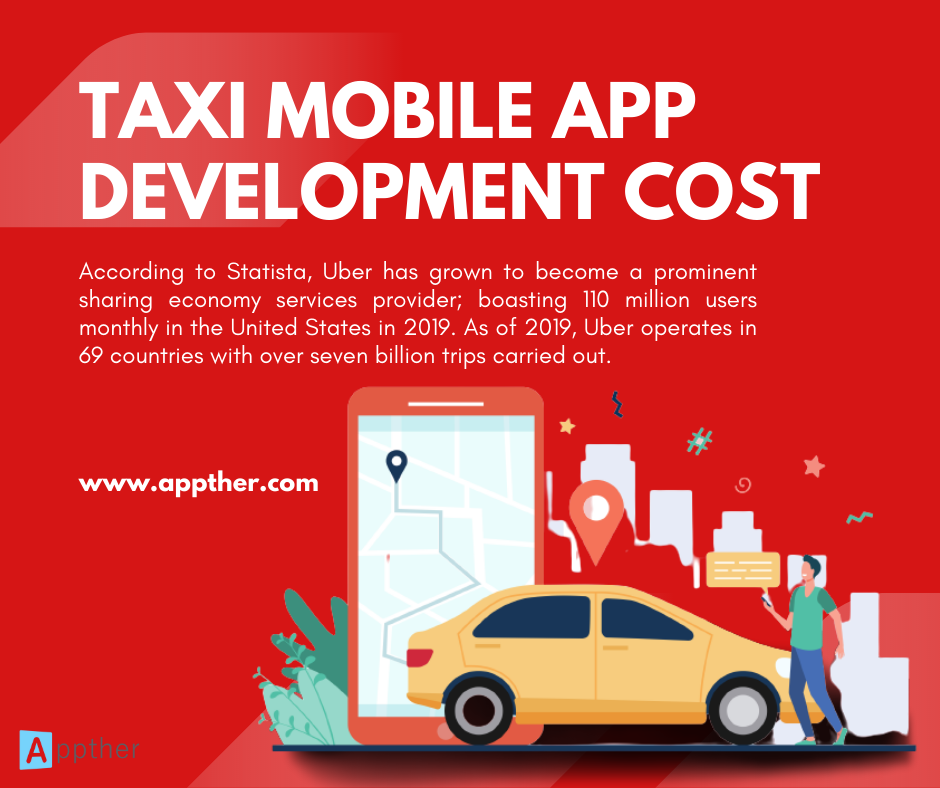
Planning to launch the next big ride-hailing platform in 2026? You’re not alone. The global on-demand transportation market continues to grow rapidly, and one of the first questions every entrepreneur asks is:
How much does it cost to build a taxi booking app in 2026?
The short answer:
-
Basic MVP taxi app: $30,000 – $60,000
-
Mid-scale scalable platform: $70,000 – $120,000
-
Enterprise-level solution like Uber: $150,000+
The final investment depends on features, AI capabilities, technology stack, scalability requirements, and development location.
Let’s explore everything you need to know before building a profitable taxi app.
Why Invest in Taxi App Development in 2026?
The ride-hailing industry is still expanding, driven by:
-
Rapid urbanization and smartphone adoption
-
Demand for contactless, AI-powered mobility
-
Growth of electric vehicle fleets and shared transportation
-
Increasing need for hyperlocal transport solutions in tier-2 and tier-3 cities
Major ride-hailing companies continue to report billions of annual trips and strong revenue growth, proving that the opportunity is far from saturated.
The Real Opportunity in 2026
Success today is not about cloning Uber. Winning niches include:
-
Women-focused ride services
-
EV-only taxi fleets
-
Airport and corporate mobility solutions
-
Tourism and city-experience rides
-
Subscription-based commuter transport
-
AI-driven premium ride experiences
How a Taxi Booking App Works
A seamless user journey is critical for retention and revenue.
Core Ride Flow
-
Passenger enters pickup and destination
-
AI system matches the nearest available driver
-
Real-time tracking with live ETA updates
-
Secure in-app digital payment
-
Mutual ratings to maintain trust and safety
Revenue Models for Taxi Apps in 2026
Modern taxi platforms rely on multiple monetization streams:
-
Commission on each completed ride
-
AI-driven surge pricing based on demand, traffic, and weather
-
Weekly or monthly ride subscriptions
-
In-app advertising and brand partnerships
-
Fleet leasing and EV financing programs
-
Airport, hourly rental, and outstation ride packages
-
Corporate mobility contracts
Diversified revenue ensures faster ROI and long-term scalability.
AI Features Transforming Taxi Apps in 2026
Artificial intelligence is now the biggest competitive advantage in ride-hailing.
Passenger-Side AI
-
Smart destination prediction
-
Personalized pricing and offers
-
Voice-based ride booking
-
Real-time safety monitoring
-
AI travel assistant within the app
Driver-Side AI
-
Demand heat-map forecasting
-
Intelligent route optimization
-
Earnings prediction dashboard
-
Driver behavior and safety scoring
Admin-Side AI
-
Automated dispute resolution
-
Predictive surge pricing
-
Fleet utilization forecasting
-
Advanced business analytics
AI integration significantly improves efficiency, safety, and profitability.
Must-Have Taxi App Features
Passenger App
-
Social login and profile management
-
Fare estimation and live GPS tracking
-
Multiple payment options (UPI, cards, wallets)
-
Ride scheduling and split fare
-
Digital receipts and ride history
-
AI-based ride recommendations
Driver App
-
Easy onboarding and document upload
-
Trip request management
-
Navigation and route optimization
-
Earnings dashboard and payout tracking
-
AI demand heat maps
-
Online/offline availability toggle
Admin Panel
-
User and driver management
-
Pricing and commission control
-
Reports, analytics, and insights
-
Push notification system
-
AI-driven operational monitoring
Taxi App Technology Stack for 2026
Frontend
-
Swift (iOS) and Kotlin (Android)
-
Flutter or React Native for faster cross-platform MVP
Backend
-
Node.js, Python, or Go
-
Microservices architecture for scalability
Real-Time & Maps
-
WebSockets or Socket.IO
-
Google Maps or Mapbox integration
Cloud & AI Infrastructure
-
AWS or Google Cloud
-
Machine learning models for routing, fraud detection, and pricing
Payments & Notifications
-
Stripe, Razorpay, and regional gateways
-
Firebase Cloud Messaging and Apple Push Notifications
Development Team and Timeline
Required Team Structure
-
Product manager
-
UI/UX designer
-
Mobile app developers
-
Backend engineer
-
QA tester
-
DevOps and AI specialist
Estimated Timeline
-
Taxi app MVP: 4–6 months
-
AI-enabled full platform: 6–10 months
Taxi App Development Cost by Region (2026)
| Region | Hourly Rate | Estimated Total Cost |
|---|---|---|
| North America | $100 – $180 | $120k – $250k |
| Eastern Europe | $40 – $90 | $60k – $140k |
| Asia (India) | $25 – $55 | $30k – $80k |
Choosing the right development partner can reduce cost while maintaining quality.
Case Study: LyftUp Taxi Booking Platform
A strong real-world example of scalable taxi technology is LyftUp, a modern ride-booking solution built for performance, usability, and future AI readiness.
Key Outcomes
-
Seamless passenger and driver mobile apps
-
Real-time ride tracking and notifications
-
Secure in-app payment integration
-
Scalable backend architecture
-
Ready for advanced AI feature expansion
Explore the full case study here:
https://www.appther.com/case-study/lyftup-taxi-booking-app
This project highlights how smart architecture and user-centric design create a competitive ride-hailing product.
Why Choose Appther for Taxi App Development?
Appther delivers end-to-end taxi app solutions designed for scalability and ROI:
-
AI-ready architecture
-
Fast MVP launch strategy
-
Cloud-native scalable infrastructure
-
Custom branding and monetization planning
-
Post-launch technical support and growth consulting
We help you build a complete mobility business—not just an app.
Ready to Build Your Taxi App in 2026?
Get a free consultation, cost estimate, and product roadmap tailored to your market.
Call: +91 9911432288
Request Consultation: https://www.appther.com/case-study/lyftup-taxi-booking-app
Amazing and Informative post
“Thanks for breaking down the costs of building a taxi app like Uber, Lyft, or InDriver! Your detailed analysis provides valuable insights for anyone looking to venture into the ride-hailing industry. Great job!”
This is a fantastic overview of the costs involved in developing a taxi app similar to Uber or Lyft! Your breakdown of expenses and factors is incredibly helpful for anyone looking to venture into this space. The insights on varying cost elements and features are particularly valuable for making informed decisions. Thanks for providing such a detailed and clear guide!
Excellent article on the costs involved in building a taxi app like Uber or Lyft! Your breakdown of features and development stages provides a clear understanding for anyone considering a similar project.